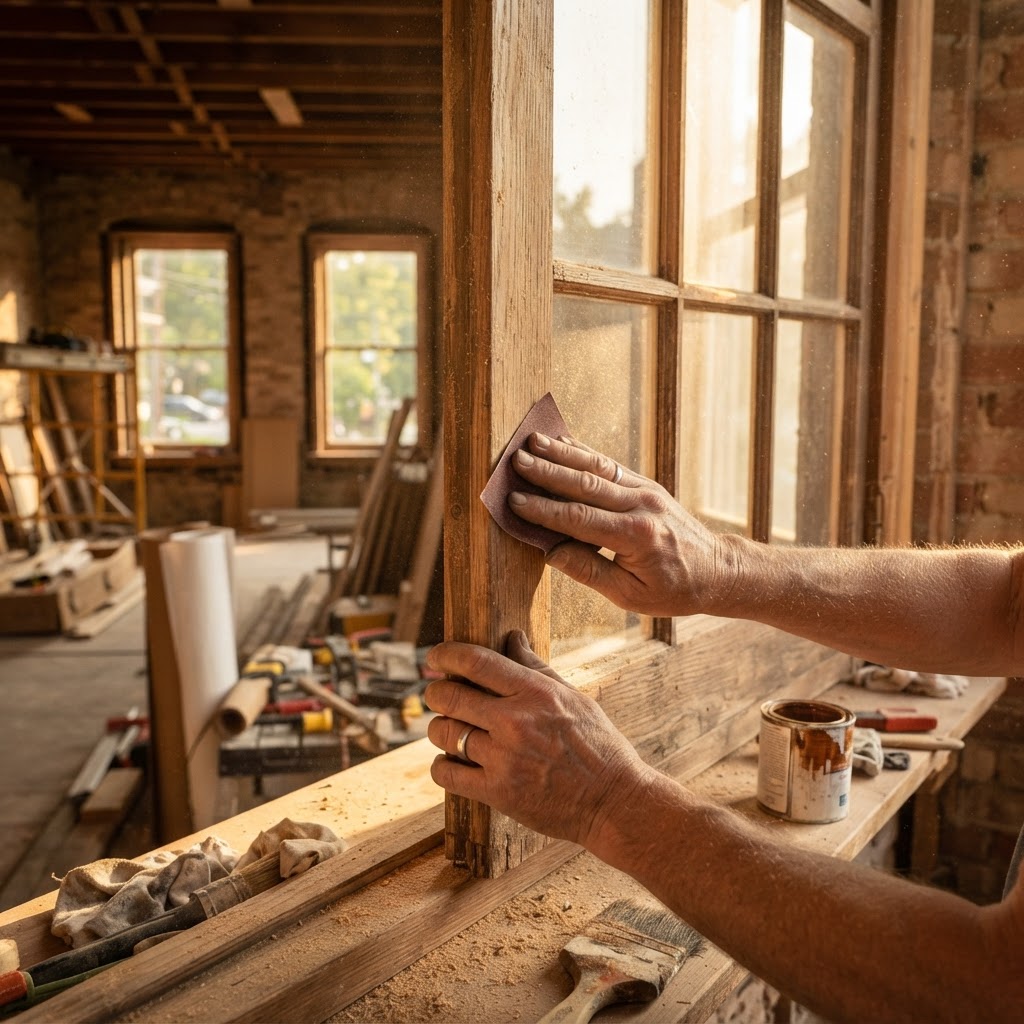
Third Space Restoration
Reclaiming the places where community happens — the kitchens, gardens, workshops, and gathering rooms that every town already has but can no longer see.
What is a third space?
A third space is the place where people gather without a transaction — libraries, community gardens, kitchen tables shared with neighbors, lodge halls, park benches, makerspaces, the corner where people actually talk. The sociologist Ray Oldenburg named them decades ago. He pointed out that healthy communities have always had them, and that when they disappear, people get lonelier, more anxious, and less connected — even when nothing else in their life changed.
What happened to them
Many traditional third places are gone or going. Churches are closing. Main streets emptied. Libraries are underfunded. Community centers cost money to rent. The kitchens and workshops that used to be shared are now private. People drive home from work, pull in, and don't come back out. The places that made coming back out worth it stopped existing or stopped being free.
What restoration looks like
Empty buildings
The church with a kitchen and a room. The closed lodge. The vacant storefront. These are assets, not problems. Each one has a different honest answer — and that answer is in the trail guides.
Unused land
The quarter-acre suburban lot. The parcel too small to farm and too big to mow. The failing pasture. The vacant lot in town. Each has a different first step, and most of them are smaller than people think.
Lost skills
The retiree who knows how to fix things. The elder who remembers how to cook for fifty. The person with three hours and no place to be useful. Third space restoration is as much about reconnecting people as reclaiming places.
How we approach it
The same methodology applies as everything else in WholeFam. Learn from places that already did it. Apply it in a real location. Watch what happens. Preserve what worked. Improve the guide. Send the better version out.
Who's working on this
Our advisory board includes practitioners in third space restoration, community land projects, and building reuse. They review trail guides, contribute field methods, and help us hold the standard that every recommendation must come from a real place that actually did it.
See the advisory boardStart where you are
If you have a space — a kitchen, a room, a lot, a building — and you're wondering what it could become, the Needs Observatory can help you find your first step.
Visit the Needs Observatory